Spotty showers have brought much needed rain to some gardens in the Piedmont but not enough for most. Many areas are several inches below normal rainfall amounts for this time of year, leaving landscape and garden plants water stressed. Signs of water stress include stunting, wilting, yellowing or browning leaves, early leaf drop, dead stems and branches, and reduced flower, fruit, and seed production. How you care for your yard during drought will have a huge effect on how well plants recover once the rain returns. The following tips will help you care for your plants during drought.
Do’s and Dont’s During Drought
Don’t do anything during drought that will encourage additional growth or add to the stress plants are already under. This is not the time to set out new plants or seed areas. You should also avoid fertilizing lawns and landscapes. While it is okay to fertilize container plants or vegetable gardens that you are watering regularly, cut the amount by half of what you would normally apply. Another practice to avoid during drought is pruning, except to remove dead or dying branches. And this is also not the time to spray herbicides, which will have little to no effect on wilted or drought stressed weeds.
Things you do want to do during drought include making sure all landscape beds have a 2” to 4” layer of mulch. A 2” layer of mulch will be sufficient for vegetable gardens and flower beds. A good layer of mulch will conserve moisture and keep soil temperatures cooler.
You may also consider removing sick or poorly performing plants, since they are less likely to survive drought than healthy plants. In beds that are overcrowded, consider removing some plants to reduce the amount of competition for the limited water that is available. Pull weeds to prevent them taking the water that could keep your plants alive. You may also consider extending the mulched area around trees and shrubs to reduce competition with turf roots.
What and When to Water
If you are able to water during drought keep in mind that irrigation can never replace rainfall. You will not be able to keep your yard as lush and full during drought as it would be during a normal summer. Consider allowing your lawn to go dormant. Most grasses are fairly drought resilient and will recover when rainfall returns. If they don’t, lawns can be reseeded with cool season grasses such as fescue in the fall.
To remain productive, fruits and vegetables will need to be watered on a regular basis. One inch of water per week is usually needed to keep edible plants healthy and productive. Focus on watering vegetables that still have a long season of production ahead and are not infected with insects and diseases. Fruit trees and bushes need water this time of year to set flower buds that will produce next year’s fruits.
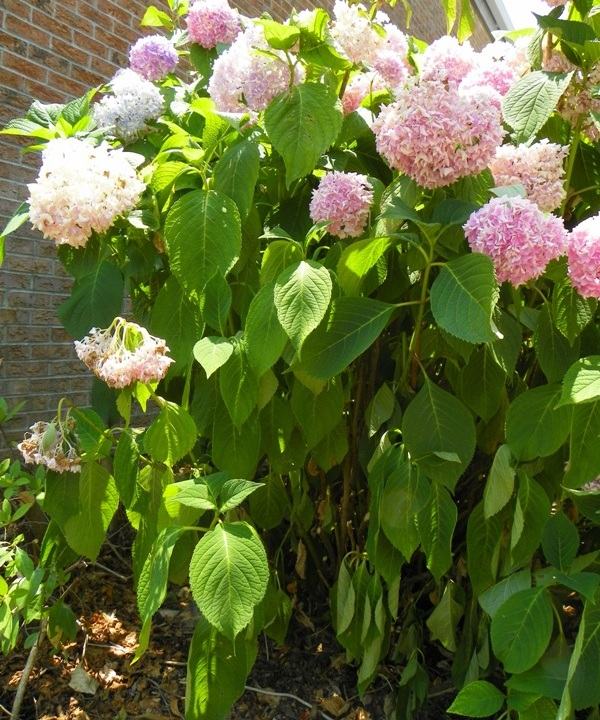
Set priorities for watering ornamentals. Consider what you are willing to lose and what it would cost to replace, as well as how feasible it would be to keep plants with high water requirements alive with little to no rainfall. Flowering annuals will die at the end of summer anyway so why waste water on them? While most established trees and shrubs can tolerate some drought with little long term damage, it may not be realistic to keep drought sensitive plants like hydrangeas, Japanese maples, azaleas, and dogwoods alive in sandier soils through extended drought. If you do lose some of these plants this year, replace them with more drought resilient species this fall.
Trees and shrubs planted within the last year or two will be the most drought sensitive since their root systems are not fully established. They should be given top priority for watering. Other plants that may make your top priority list include rare or unusual specimens, plants that would be very expensive to replace, or those that have strong sentimental value.
When you do water, apply water slowly so it can soak deep into the soil profile rather than run off the surface. Since plant roots grow where water is available, watering deeply will encourage roots to grow deeper into the soil, making plants more drought resilient.